
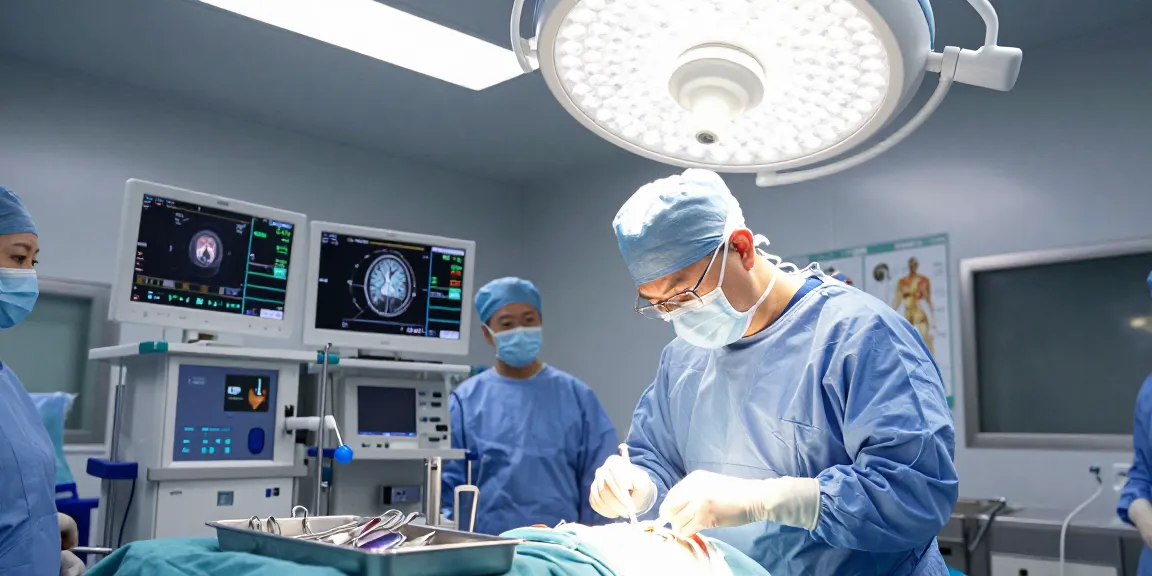
Understanding Beyin Ameliyatı and Its Importance
Beyin ameliyatı, or brain surgery, is a critical procedure aimed at treating various neurological conditions that pose significant health risks. It encompasses a wide range of surgical interventions designed to address disorders such as brain tumors, traumatic brain injuries, and vascular malformations. As medical technology advances, the precision and effectiveness of these surgeries improve, making them essential for enhancing patient outcomes. When exploring options, Beyin ameliyatı provides comprehensive insights into the types of surgeries available, the conditions they treat, and what patients can expect during the surgical process.
What Is Beyin Ameliyatı?
Beyin ameliyatı involves surgical procedures performed on the brain to treat various conditions, including tumors, aneurysms, and severe head injuries. The primary goal of these surgeries is to relieve pressure on the brain, remove problematic tissues, or repair damaged areas. These operations require a highly skilled surgical team and advanced medical technologies, such as imaging techniques and neuronavigation systems, to ensure safety and effectiveness.
Common Conditions Treated with Beyin Ameliyatı
Brain surgery addresses a variety of conditions, including:
- Brain Tumors: These can be benign or malignant and require precise removal to preserve surrounding healthy tissue.
- Aneurysms: Surgical intervention may be necessary to prevent the rupture of these blood vessel bulges.
- Head Injuries: Trauma to the brain often necessitates emergency surgery to alleviate pressure or repair damage.
- Epilepsy: In some cases, surgery can help control seizures when medication is not effective.
Historical Advances in Neurosurgery Techniques
Neurosurgery has evolved significantly over the past few decades. Traditional open surgeries have largely been supplemented or replaced by minimally invasive techniques, such as endoscopic surgery. These advancements not only reduce recovery time and hospital stays but also minimize the risks associated with more invasive procedures. Innovations such as intraoperative MRI and advanced imaging technologies enable surgeons to achieve greater precision, improving patient safety and outcomes.
The Types of Beyin Ameliyatı Procedures
Open vs. Minimally Invasive Techniques
Open brain surgery typically involves a larger incision and greater manipulation of brain tissue. In contrast, minimally invasive techniques utilize smaller incisions and specialized instruments, resulting in less trauma to the surrounding tissue and quicker recovery times. The choice between these methods depends on the specific condition being treated, the tumor’s size and location, and the patient’s overall health.
Awake Neurosurgery: Benefits and Risks
Awake neurosurgery, also known as awake craniotomy, is a procedure that allows surgeons to operate on areas of the brain that control critical functions such as movement and speech while the patient is awake. This technique enables real-time feedback, helping surgeons avoid damaging vital areas. While it may seem daunting, it is often less risky and allows for better preservation of neurological functions.
Emergency Procedures: When Is Surgery Necessary?
In cases of severe brain injury, infections, or bleeding, emergency surgery becomes critical. Conditions such as subdural hematomas or brain aneurysms can pose immediate threats to life, requiring rapid surgical intervention to prevent severe damage or death. The timing and type of surgery can significantly affect the prognosis and recovery of the patient.
Preoperative Considerations for Beyin Ameliyatı
Patient Assessment and Diagnostic Imaging
Before any brain surgery, a thorough assessment is paramount. This typically includes a complete medical history, neurological evaluations, and diagnostic imaging such as MRI or CT scans to identify the exact issue and determine the best surgical approach.
Understanding Surgery Risks and Outcomes
Every surgical procedure carries risks, and understanding these is crucial for informed consent. Risks associated with brain surgery can include infection, bleeding, and neurological deficits. It is essential for patients to discuss these risks with their surgical team to make an informed decision.
The Role of Patient Education in Surgery
Education about the procedure helps alleviate anxiety and prepares patients for what to expect during recovery. Preoperative counseling can improve outcomes by ensuring that patients are mentally and emotionally prepared for their surgery and the rehabilitation process that follows.
Postoperative Recovery and Rehabilitation
What to Expect After Beyin Ameliyatı?
Recovery from brain surgery varies widely depending on the type of procedure performed and the individual’s health status. Common post-surgery effects can include headaches, fatigue, and temporary cognitive issues. It is vital for patients to have realistic expectations about their recovery timelines and outcomes.
Rehabilitation Protocols for Recovery
Rehabilitation may involve physical therapy, occupational therapy, and speech therapy, depending on the areas of the brain affected by surgery. The aim is to help patients regain their independence and improve their quality of life. Regular follow-ups with healthcare providers are essential to track progress and address any complications.
Managing Complications and Follow-up Care
Post-surgical complications can include infections, seizures, or neurological deficits. Continuous monitoring and prompt intervention are critical in managing these complications effectively. Follow-up care typically includes regular check-ups and imaging studies to evaluate recovery and detect any potential issues early.
Future Trends in Beyin Ameliyatı for 2026
Technological Innovations in Neurosurgery
The future of brain surgery looks promising, with ongoing advancements in robotic surgery, artificial intelligence, and telemedicine. These technologies may enhance precision, reduce recovery times, and improve patient outcomes significantly.
Potential Changes in Treatment Protocols
As our understanding of brain disorders evolves, treatment protocols are likely to become more personalized. Genetic testing and biomarker analysis may lead to tailored surgical approaches, optimizing outcomes for individual patients.
Patient-Centric Approaches in Surgical Care
Future surgical practices will likely emphasize patient-centered care, ensuring that the needs, preferences, and values of patients guide their treatment plans. This focus will enhance overall patient satisfaction and improve surgical outcomes.
What Should I Know Before Undergoing Beyin Ameliyatı?
Before undergoing any type of brain surgery, patients should be well-informed about the procedure, risks, and expected outcomes. This can lead to better decision-making and preparedness for recovery.
How Long Is the Recovery Process After Beyin Ameliyatı?
The recovery process can take several weeks to months, depending on the complexity of the surgery and the individual patient’s health. Regular follow-up appointments are essential to monitor recovery and rehabilitation progress.
What Are the Risks Associated with Beyin Ameliyatı?
As with any surgery, risks include infection, bleeding, and potential neurological deficits. Understanding these risks can help patients make informed decisions regarding their treatment.
How Does Insurance Affect the Cost of Beyin Ameliyatı?
The cost of brain surgery can vary significantly based on the procedure type, hospital, and insurance coverage. Patients are encouraged to consult their insurance providers for detailed information regarding coverage and out-of-pocket costs.
Are There Alternatives to Beyin Ameliyatı?
In some cases, non-surgical treatments such as radiation therapy or medication may be viable alternatives to surgery. For more information, Beyin ameliyatı offers valuable insights. It is crucial for patients to discuss all available options with their healthcare providers to determine the best course of action.