
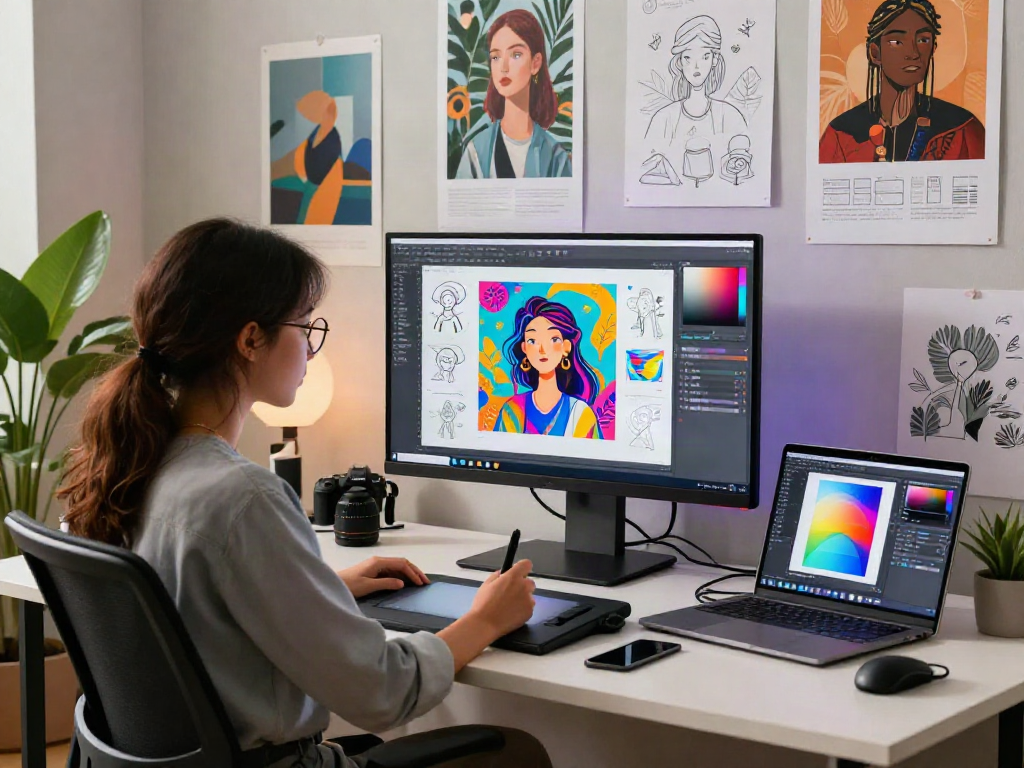
Understanding AI Image Generation
In the rapidly evolving landscape of art and design, artificial intelligence (AI) has emerged as a transformative force. AI image generators have revolutionized the creative process, enabling artists and designers to push their boundaries and explore new realms of creativity. With the capacity to generate stunning visuals from simple prompts or existing images, these tools are reshaping artistic expression and enhancing workflows across industries. For those interested in delving deeper into this innovative technology, an ai image generator from image is an invaluable resource for understanding how these tools work and their potential applications.
What Is an AI Image Generator?
An AI image generator is a sophisticated software that utilizes machine learning algorithms to create images based on input data. These inputs can range from textual prompts to existing images, which the AI then analyzes to produce new visual content. Models like Generative Adversarial Networks (GANs) and diffusion models are commonly employed to enable these capabilities. The process involves training the AI on vast datasets, allowing it to learn patterns, styles, and compositions inherent in various forms of artwork. This enables the generator to create unique images that maintain the essence of the original prompts while introducing novel elements.
The Role of AI in Artistic Creation
AI serves as both a tool and a collaborator in the creative process. It empowers artists to explore styles, techniques, and ideas that they may not have considered. By analyzing existing works, AI can offer suggestions or generate variations that inspire human creators. For instance, a painter could upload their artwork, and the AI could suggest color palettes or styles influenced by different artistic movements, such as Impressionism or Surrealism. This collaborative dynamic enhances creativity, allowing artists to expand their horizons while maintaining a personal touch in their work.
Benefits of Using AI Image Generators
- Efficiency: AI image generators significantly speed up the design process, enabling faster turnaround times for creative projects.
- Inspiration: These tools can spark new ideas, offering fresh perspectives on existing concepts.
- Accessibility: AI image generators lower the barrier to entry for individuals without formal artistic training, allowing them to create high-quality visuals.
- Customization: Users can fine-tune generated images to align with their specific visions and branding needs.
- Cost-effectiveness: By reducing the need for extensive manual design work, AI tools can save time and resources for businesses and freelancers alike.
How Designers Are Implementing AI Tools
Designers across various fields are increasingly incorporating AI image generators into their workflows, leading to enhanced creativity and productivity. From marketing agencies creating compelling visuals to game developers designing immersive environments, the applications are vast and varied.
Incorporating AI in Creative Workflows
Many designers are integrating AI tools into their existing processes to complement their skills rather than replace them. For instance, a graphic designer might use an AI image generator to create draft concepts, which they can then refine and personalize. This hybrid approach allows designers to maintain their artistic integrity while leveraging the efficiency of AI-generated content.
Case Studies: Success Stories of AI in Design
Several notable case studies illustrate the successful implementation of AI image generators. For example, a major fashion brand used AI-generated images to conceptualize their latest collection, resulting in a campaign that resonated with the target audience while significantly reducing design time. Similarly, an animation studio utilized AI to generate background art, which saved hours of manual labor, allowing the team to focus on character animation and story development.
Overcoming Challenges with AI Image Generators
Despite the immense potential of AI image generators, designers face several challenges, including concerns about originality and copyright. As these tools become more prevalent, the line between human-created and AI-generated art blurs. Designers must navigate these ethical considerations while also educating themselves on best practices to ensure their work remains unique and compliant with legal standards.
Best Practices for Using AI Image Generators
To maximize the benefits of AI image generators, designers should adhere to certain best practices that enhance productivity and creativity while maintaining artistic integrity.
Choosing the Right AI Tool for Your Needs
Not all AI image generators are created equal. Designers should evaluate tools based on their unique requirements and project goals. Factors to consider include user-friendliness, customization options, and compatibility with other software. For example, an illustrator may prefer a tool that allows for greater artistic control, while a marketer might prioritize speed and ease of use.
Optimizing Workflow with AI Technologies
To fully leverage AI image generators, designers should integrate them into their workflows strategically. This might involve setting aside time for experimentation, developing a structured process for incorporating AI-generated visuals into projects, and providing feedback to the AI tools to improve future outputs. Collaboration with the AI can lead to innovative outcomes that reflect the designer's vision while benefiting from the capabilities of machine learning.
Maintaining Authenticity in AI-Generated Art
As AI-generated art becomes more commonplace, maintaining authenticity is critical. Designers should ensure that their unique style and voice are reflected in their work, even when using AI tools. This might involve adding personal touches to AI-generated images or employing the technology as one element within a broader artistic process.
The Future of AI in Design
The future of AI in design looks promising, with ongoing advancements paving the way for more sophisticated tools and applications. As we move toward 2030, we can expect even more integration of AI technologies in artistic endeavors.
Predictions for the Next Decade in AI Artistry
Experts predict that AI will become increasingly embedded in artistic workflows, with improvements in machine learning algorithms leading to more intuitive and responsive tools. This evolution will enable artists to collaborate seamlessly with AI, resulting in a new genre of hybrid art forms that blend human creativity with machine efficiency.
Emerging Trends and Technologies in AI
As AI technology continues to advance, several trends are emerging, including a focus on ethical AI, enhanced user interfaces, and the rise of real-time AI image generation. These developments will not only improve the creative process but also address concerns regarding copyright and ownership in AI-generated art.
Preparing for a Collaborative Future with AI
Designers must adapt to this collaborative future by embracing AI as a partner rather than viewing it as a competitor. Formal education on AI tools, ongoing training, and a willingness to experiment will be essential for artists who wish to thrive in this new landscape. By cultivating a mindset that embraces innovation and change, designers can not only survive but excel in an AI-enhanced creative world.
Getting Started with AI Image Generators
For those eager to explore the world of AI image generation, understanding how to effectively use these tools is crucial. The following section provides a practical guide for beginners.
Step-by-Step Guide to Using AI Tools
Starting with AI image generators can be a thrilling experience. Here’s a simple guide to help you get started:
- Select an AI image generator: Research various tools and find one that suits your needs and budget.
- Familiarize yourself with the interface: Spend some time exploring the functionalities of the tool.
- Upload your images or prompts: Begin your project by providing the AI with input data.
- Generate images: Use the tool to create images and review the outputs.
- Edit and refine: Make adjustments to the generated images to align them with your vision.
Common Mistakes to Avoid When Starting
New users often make mistakes that can hinder their experience with AI image generators. Here are some common pitfalls to avoid:
- Neglecting to experiment: Many users stick to basic inputs without exploring the full potential of the tool.
- Forgetting to customize: Failing to refine generated images can lead to outputs that don't match the user's style.
- Ignoring AI limitations: Overestimating the capabilities of AI may result in frustration when outputs do not meet expectations.
Resources and Tools for Further Learning
For those looking to deepen their knowledge of AI image generators, numerous resources are available. Online courses, webinars, and tutorials offer insights into effective usage and advanced techniques. Community forums can also provide support and inspiration from fellow creators navigating the AI landscape.
What are the best AI image generators available?
Several AI image generators stand out in the market, including DALL-E, MidJourney, and Artbreeder, each offering unique features and capabilities tailored to various creative needs.
How can AI image generators enhance creativity?
By providing new perspectives and ideas, AI image generators can stimulate creativity, enabling artists to explore concepts and styles they may not have considered otherwise.
Are there limitations to using AI in design?
While AI image generators are powerful, they do have limitations, including potential issues with originality, reliance on training data, and the risk of producing generic outputs.
What industries benefit most from AI image generation?
Industries such as fashion, gaming, advertising, and fine art are among the most significant beneficiaries of AI image generation, utilizing these tools to enhance creativity and efficiency.
How to stay updated on trends in AI art technologies?
Staying informed on AI art technologies involves following industry news, participating in relevant forums, and attending conferences to understand emerging trends and tools.