
The Evolution of CNC Press Brake Technology
The CNC press brake has revolutionized the metalworking industry, providing enhanced precision and efficiency that traditional press brakes simply cannot match. From their historical roots to current advancements, CNC press brakes have undergone significant transformations that have helped shape modern manufacturing. As we delve into the evolution of CNC press brake technology, we will explore historical developments, modern implementations, and future trends that are redefining the industry. When exploring options, best cnc press brake factory insights can guide manufacturers in selecting superior equipment.
Historical Development of Press Brakes
Press brakes have been instrumental in metalworking since their inception, dating back to the early days of industrial manufacturing. Originally, press brakes were manually operated, relying on human strength to bend metal sheets. However, the introduction of hydraulic systems in the mid-20th century significantly improved bending capabilities, allowing for greater force application and resulting in more efficient operations.
As technology advanced, the need for improved accuracy and speed led to the development of CNC (Computer Numerical Control) press brakes. These systems enabled precise control over bending processes, utilizing digitally programmed commands to dictate the movement of the machine. This shift not only increased production speeds but also allowed for complex bends to be achieved consistently across batches, paving the way for greater innovation in manufacturing.
Modern CNC Implementations
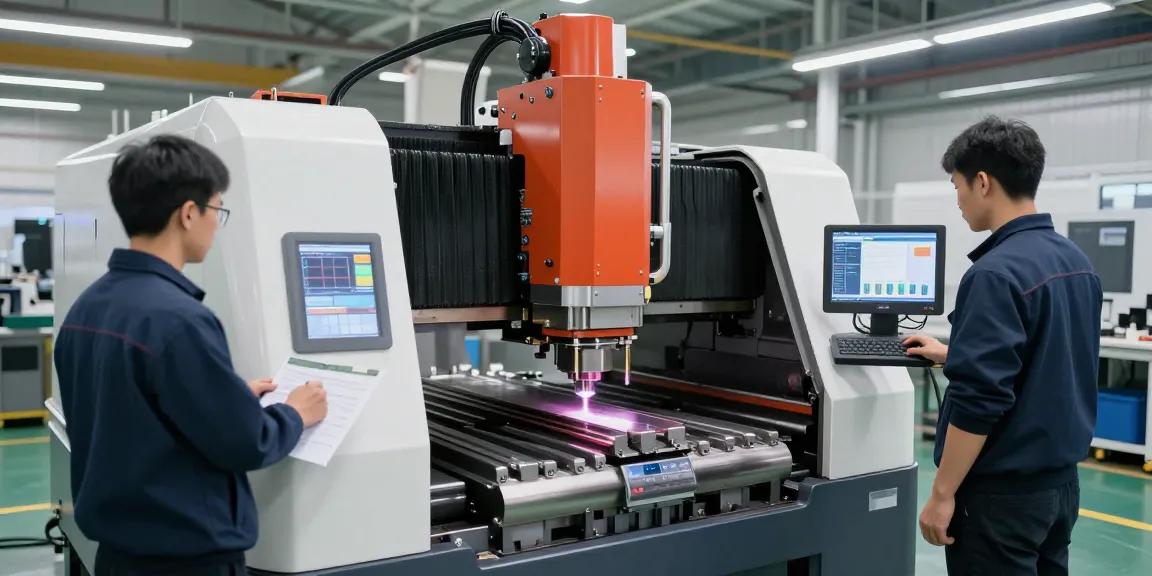
Today’s CNC press brakes are equipped with sophisticated technologies that enhance their functionality. Features like electro-hydraulic proportional valves, integrated CNC controllers, and advanced sensors provide real-time feedback, ensuring exceptional accuracy and repeatability. The latest models, such as the WEK series from SC Shenchong, are capable of executing bends within ±0.01mm, showcasing the unmatched precision that modern CNC systems offer.
Furthermore, these modern systems often come with intuitive user interfaces, enabling operators to program complex shapes with ease. With advancements like 3D graphical programming, operators can visualize the entire bending process, enhancing both efficiency and safety.
Future Trends in Hydraulic Technology
The future of CNC press brake technology is exciting, with trends leaning towards increased automation and smart manufacturing solutions. The integration of AI and machine learning is anticipated to enhance predictive maintenance, thereby reducing downtime and extending the lifecycle of the machines.
Additionally, as manufacturers strive for sustainability, energy-efficient designs and eco-friendly operational methods will take precedence. The adoption of servo-electric drives in place of traditional hydraulic systems is one way to reduce energy consumption while maintaining performance excellence.
Key Features of the Best CNC Press Brake Systems
The best CNC press brakes are characterized by several key features that significantly enhance their value proposition. Understanding these features can help manufacturers make informed purchasing decisions and optimize their production processes.
Hydraulic vs. Mechanical Advantages
- Hydraulic Press Brakes: Hydraulic press brakes utilize hydraulic fluid to actuate the bending process, providing greater force application and flexibility in bending thicker materials.
- Mechanical Press Brakes: While mechanical models are faster, they are often less versatile in terms of material thickness and types. Modern hydraulic systems, like those employed in the WEK series, combine the best aspects of both technologies.
Precision Control Systems and Their Benefits
Precision control is paramount in CNC press brakes, with advanced control systems minimizing human error and enhancing output quality. Systems equipped with high-resolution encoders provide precise positioning and adjust movements based on feedback from integrated sensors. As a result, manufacturers can trust that their parts will consistently meet design specifications with every batch.
Energy Efficiency and Eco-Friendly Innovations
In today’s manufacturing landscape, energy efficiency is more important than ever. Best-in-class CNC press brakes incorporate features such as servo motors and optimized hydraulic circuits to minimize energy consumption without compromising performance. The integration of energy recovery systems also plays a key role in enhancing the eco-friendliness of press brake operations.
How to Choose the Right CNC Press Brake Factory
When considering purchasing CNC press brakes, selecting the right factory is crucial for ensuring quality, reliability, and support. Here are key elements to assess:
Assessing Technology Standards and Certifications
One of the first steps in choosing a factory is evaluating their technology standards and certifications. Leading manufacturers will adhere to international quality standards such as ISO 9001, which reflects their commitment to producing consistent, high-quality products. Additionally, qualified factories invest in R&D to stay ahead of industry trends and leverage cutting-edge technologies.
Evaluating After-Sales Service and Support
Effective after-sales service can significantly enhance the long-term value of a machine purchase. A reputable factory should provide comprehensive support, including installation, training, and maintenance services. Ask about warranty terms and the availability of replacement parts to ensure that you have access to the necessary resources post-purchase.
Understanding Pricing and Value Proposition
While pricing is an important factor, it should not be the sole consideration. Evaluate the overall value proposition, which includes the machine’s capabilities, reliability, and the level of after-sales support provided. Remember, a slightly higher initial investment can lead to greater long-term savings through increased efficiency and lower operating costs.
Integration of Automation in Press Brake Manufacturing
The integration of automation technologies within press brake manufacturing is driving efficiencies and elevating production capacities to new heights. Manufacturers are increasingly incorporating robotics and AI to streamline operations.
Robotic Automation Enhancements
Robotic automation plays a critical role in enhancing press brake operations. By utilizing robotic arms for material handling and part alignment, manufacturers can reduce reliance on manual labor and minimize the risk of errors. Integrating robotic systems with CNC press brakes allows for seamless collaboration and significantly increases throughput.
Impact of AI on Production Processes
Artificial intelligence is transforming how CNC press brakes are operated. AI algorithms can analyze production data to provide insights on optimizing settings, minimizing waste, and forecasting maintenance needs. This predictive approach not only enhances machining precision but also prolongs the lifespan of the machinery.
Benefits of Automated CNC Systems
Automated CNC systems generate numerous benefits, including:
- Reduced Labor Costs: Automation minimizes the number of workers required on the shop floor, leading to significant cost savings.
- Increased Productivity: With machines running around the clock and requiring less downtime for setup, production rates can be substantially improved.
- Enhanced Accuracy: Automation allows for consistent and accurate bends, thereby improving product quality and reducing rework.
Challenges and Solutions in CNC Press Brake Operations
Despite their advantages, CNC press brakes face several operational challenges that manufacturers must navigate to maximize efficiency.
Common Operational Challenges Faced
Some common challenges encountered include:
- Mechanical wear and tear resulting in reduced accuracy over time.
- Operator skill gaps that can lead to programming errors or inefficient setups.
- Integration issues with existing manufacturing systems or processes.
Tech Solutions to Enhance Efficiency
To address these challenges, manufacturers can adopt various technological solutions. Implementing routine maintenance schedules and monitoring systems can identify wear before it results in downtime. Additionally, investing in operator training programs ensures that staff are equipped with the necessary skills to operate CNC systems effectively.
Case Studies on Successful Implementations
Examining successful implementations can provide valuable insights into how other manufacturers have optimized their operations. For instance, a leading automotive parts manufacturer integrated robotics with their CNC press brakes, resulting in a 30% increase in production capacity while simultaneously reducing material waste by 15%.
FAQs
What is the price range for CNC press brakes?
The price of CNC press brakes varies widely based on their features and capabilities, typically falling within the range of $20,000 to $45,000 or more depending on customization and production capacity.
How long does delivery take from the best CNC press brake factory?
Delivery times can vary significantly, but once an order is confirmed, most manufacturers will have a lead time of 25 to 45 working days to prepare and ship your CNC press brake.
What are the safety features in CNC hydraulic press brakes?
Modern CNC hydraulic press brakes come equipped with various safety features, including light curtains, emergency stop buttons, and safety interlocks to prevent accidental operation during setup or maintenance.